Explore the World of RPG Games: How Adventure Games Redefine Storytelling and Player Experience
Role-Playing Games (RPGs) have transformed over the years, evolving from simple text-based adventures to grand open worlds bustling with intricate plots and multifaceted characters. These games do not just ask players to play; they invite them to immerse themselves in richly woven narratives that redefine storytelling. In this article, we will deep dive into the fascinating world of RPG games and adventure games, particularly focusing on their elements of storytelling and player experience. Whether you're a newbie or a seasoned gamer, there's always something new to explore.
1. What Are RPG Games?
RPGs are a unique genre that combines strategic gameplay, character development, and narrative elements. Players typically assume the roles of characters and partake in various quests within a fictional universe. The choices players make can affect the outcome of the game's story, making every playthrough potentially different. RPGs can be categorized into sub-genres like traditional RPGs, action RPGs, and tactical RPGs.
2. Adventure Games: A Subset of RPGs
Adventure games, a special subsection of RPGs, emphasize storytelling and character interaction over combat. These games often feature quests that revolve around exploration, puzzle-solving, and narrative depth. The immersive storylines often lead players through shared experiences that can evoke strong emotions.
3. The Role of Story in RPGs
Storytelling is an essential element that sets RPGs apart from other genres. Compelling narratives provide the background for character motivations and plot developments. Whether it's a tale of heroism, betrayal, or discovery, the story forms an emotional bond with players. Vivid character arcs and unpredictable plot twists create a tapestry that players can engage with on multiple levels.
4. Iconic RPG Story Modes on PS4
PS4 has become a popular platform for RPG games, offering engaging titles that are beloved by fans globally. Here's a quick snapshot of some iconic RPGs available on PS4:
| Game Title | Notable Features | Story Mode Highlights |
|---|---|---|
| The Witcher 3: Wild Hunt | Open World, Rich Lore | Choices Matter, Multiple Endings |
| Final Fantasy VII Remake | Stunning Graphics, Nostalgic | Deep Emotional Journey |
| Persona 5 | Unique Art Style, Turn-Based Combat | Character Development, Social Simulation |
5. Exploring Japanese RPG Games
Japan is home to some of the most influential RPG games in history. Titles like "Final Fantasy" and "Dragon Quest" have set the stage for RPGs worldwide. Japanese RPGs often focus on character development and evolving narratives. They present journeys filled with moral dilemmas and character relationships, allowing players to experience a unique blend of fun and thought-provoking storytelling.
6. How Gameplay Influences Storytelling
One of the most intriguing aspects of RPGs is how gameplay mechanics can deepen storytelling. For instance, moral choices can lead to differing outcomes and essentially change how the story unfolds. This intertwined relationship between gameplay and narrative enhances a player's emotional involvement.
7. The Rise of Open World RPGs
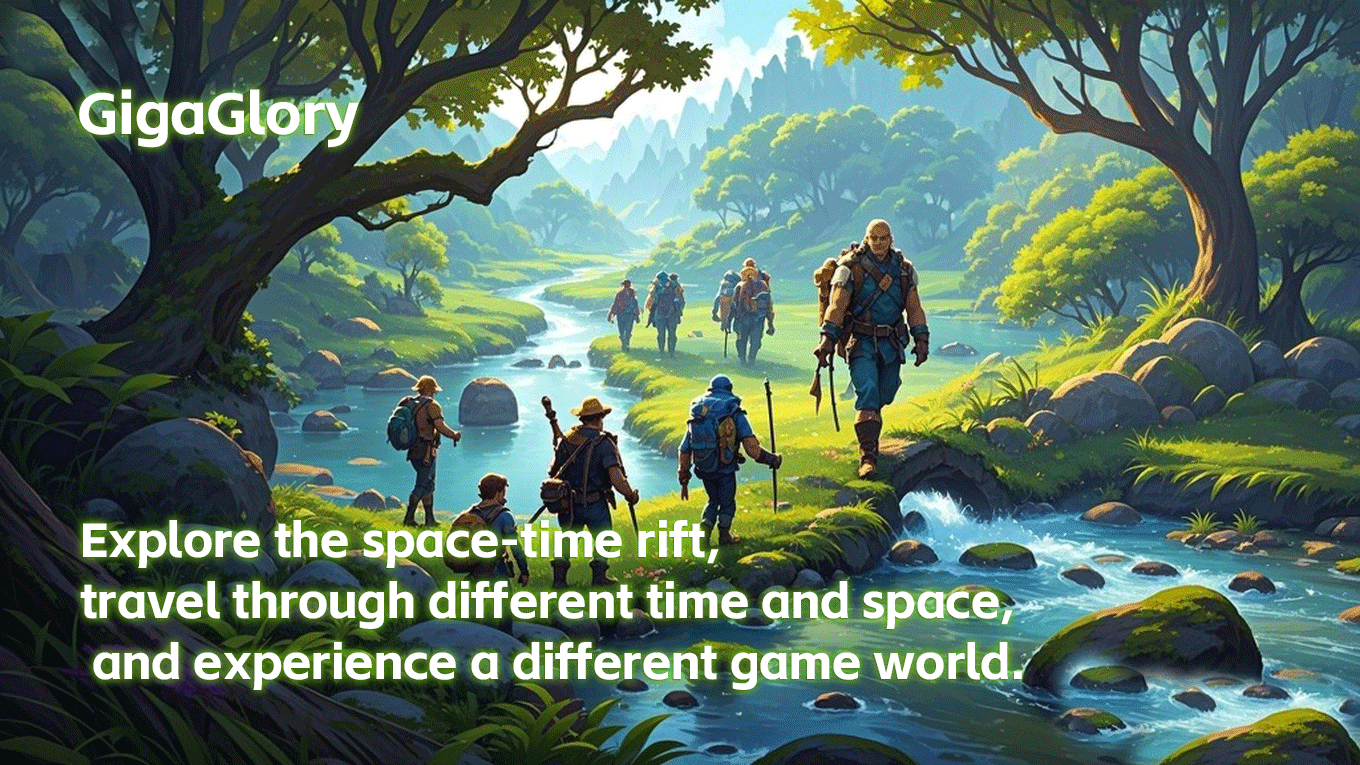
Open world RPGs allow players to explore vast landscapes, discover hidden treasures, and embark on side quests. Games like "Breath of the Wild" exemplify how expansive environments contribute to a rich storytelling experience. Players create their own adventures while also engaging in the central plot.
8. Emotional Engagement through Character Arcs
Character arcs play a crucial role in how players connect with RPG stories. Characters that face significant growth make players invest emotionally in their journeys. A well-crafted character arc can turn a simple quest into a profound personal story.
9. The Power of Choice
Choices in RPGs matter, and that's one of the most compelling aspects of the genre. Every decision can lead to new paths, alliances, and conflicts. The impact of those choices often resonates beyond the game, influencing players in their understanding of morality and consequences.
10. Multiplayer RPG Experiences
The evolution of RPGs has seen the introduction of multiplayer modes, where players can team up for quests or compete against one another. This collaborative experience adds a new layer of storytelling, as players share their unique journeys and strategies.
11. Future Trends in RPGs
As technology advances, RPG games are continuously redefining their storytelling methods. Innovations like virtual reality (VR) and artificial intelligence (AI) promise to create even more immersive experiences. Players might soon find themselves not just telling stories through gameplay but living them.
12. Importance of Community and Feedback
The RPG community plays a vital role in shaping the genre. Feedback from players can lead to improved storytelling methods and gameplay experiences. Many developers now actively engage with fans to create a game that resonates with their audience.
13. Conclusion: The Ever-Evolving Storytelling of RPGs
From intricate narratives to player-driven choices, the journey through RPG games reveals how storytelling can transform gaming. Adventure games showcase the emotional depth and powerful connections that players can forge with characters and plots. As technology continues to evolve, the possibilities for storytelling in RPGs are boundless. So grab your controller, enter these thrilling worlds, and redefine your storytelling experience one quest at a time!